

Energy that is Revolutionary, Renewable, Responsible.... and Clean
SSGE Bio Energy is taking a leadership role in the reduction of fossil coal dependency by converting perpetually abundant agricultural residues into a clean, renewable and sustainable energy source. Because the combustion of SSGE AGRI BioCoal only emits the CO2 already absorbed by its agricultural feedstock, it is carbon neutral. Used as a replacement for fossil coal, SSGE AGRI BioCoal may be the basis for carbon credits or other carbon reduction incentives.
SSGE Bio-Energy Presentation to JBPF
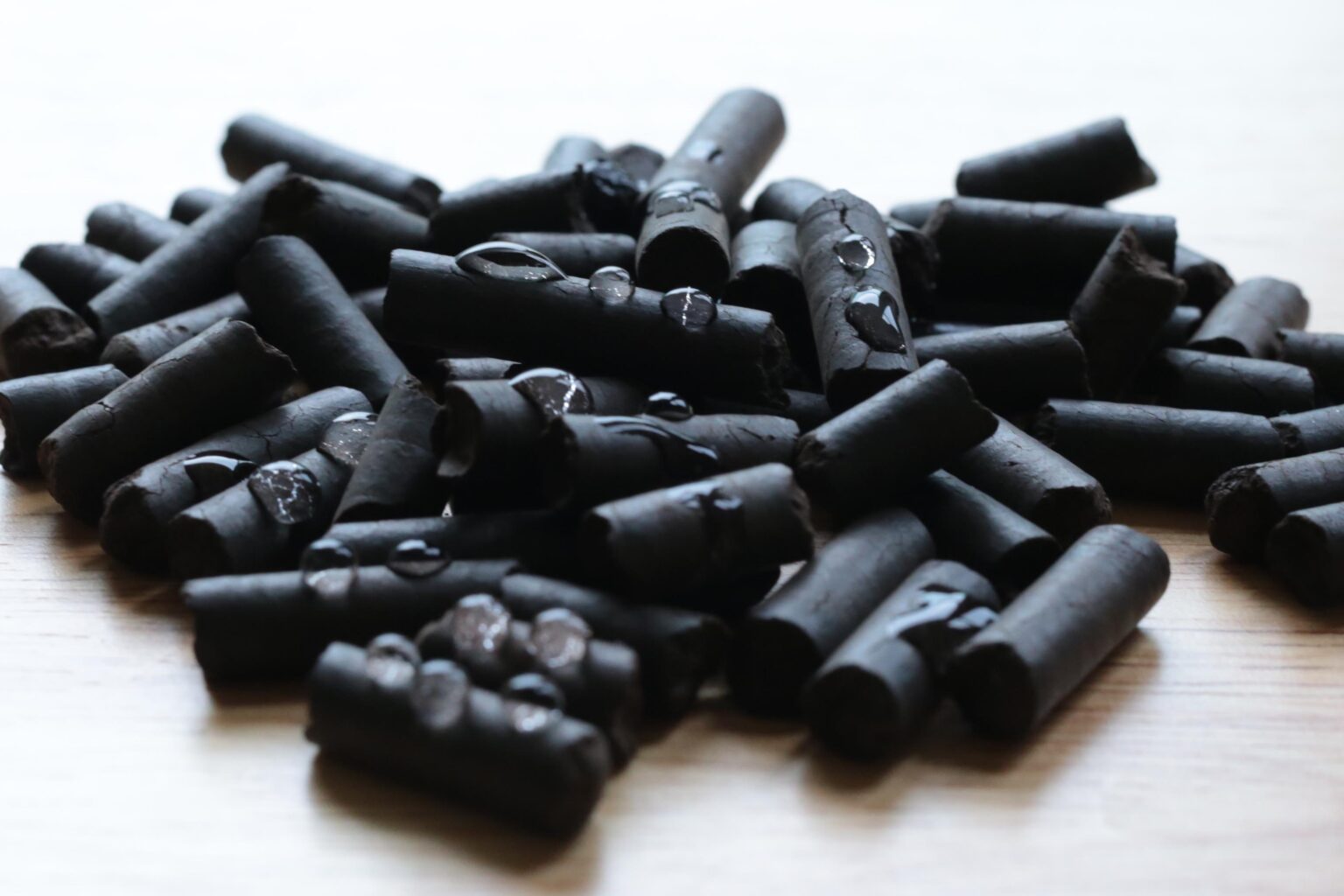

Renewable
Abundant and renewable agricultural residues are the only feedstock used for SSGE AGRI BioCoal

Carbon Neutral
Combustion of SSGE AGRI BioCoal only emits the CO2 already stored in its agricultural feedstock
Powerful
A near equivalency with fossil coal, SSGE AGRI BioCoal has an energy density of 4,800-5,000 kcal/kg

Hydrophobic
Because SSGE AGRI BioCoal is waterproof, no special handling or storage requirements are needed
SSGE Bio-Energy
The Earth’s forests are one of our most important resources. These forests and their ecosystems absorb carbon dioxide and release oxygen. While woody biomass fuels may appear to be renewable and help reduce carbon dioxide emissions, with no other renewable options, the global demand for wood-based fuels will drive an increase in deforestation resulting in a reduction in the Earth’s natural ability for carbon sequestration.
Each year the world generates more than 100 billion metric tons of agricultural waste. In many cases, these residues are disposed of by either incineration, creating an immediate release of carbon dioxide and other greenhouse gasses and while creating no additional value to the ecosystem, or utilized as a fertilizer, resulting in a slow release of methane during decomposition. Methane is a major contributor to the global greenhouse effect with an impact 26 times that of carbon dioxide.
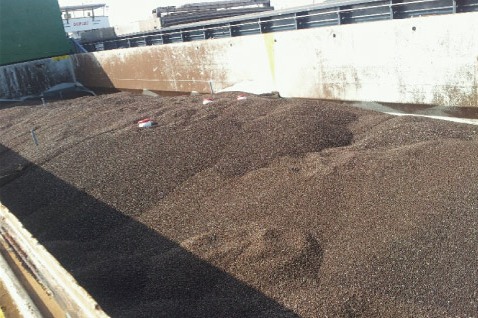
ARGI-BioCoal
Using our proprietary technology, SSGE converts agricultural residues into biocoal, a carbon neutral, 100% renewable, environmentally responsible energy source. By utilizing a perpetual and abundant supply of agricultural residue, we believe we can help meet the world’s energy needs while contributing to the reduction of greenhouse gases, and reduce the reliance on woody biomass.
SSGE AGRI Bio Coal has an energy density value of 4,800 – 5,000 kcal/kg. Grindability is similar to coal meaning no boiler or material handling modifications are needed. Additionally, SSGE’s bio coal is hydrophobic and does not need protection from weather elements during transportation or storage. Together, these properties make our bio coal the ideal drop-in substitute for coal, and it is carbon neutral with greatly reduced greenhouse gas emissions during combustion.
Efficency & Environmental Friendly
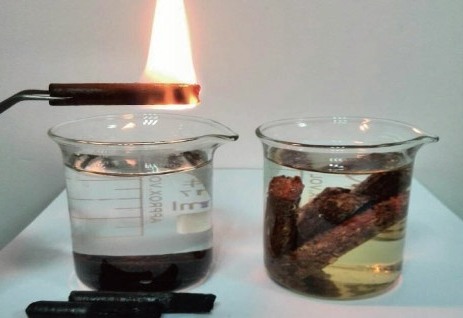
HYDROPHOBIC
1. AGRI BioCoal can be stored outside and exposed to the elements2. AGRI BioCoal can be transported in bulk with no special protection needed
3. AGRI BioCoal will not biodegrade or decompose when stored outside and exposed to weather
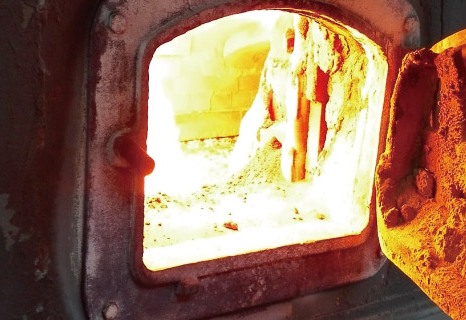
High Energy Value
1. Kcal value stabilized at 4800-5000/kg2. Can be co-fired with fossil coal.
3. No need to modify your boiler and power station
4. High energy density and low logistical costs.
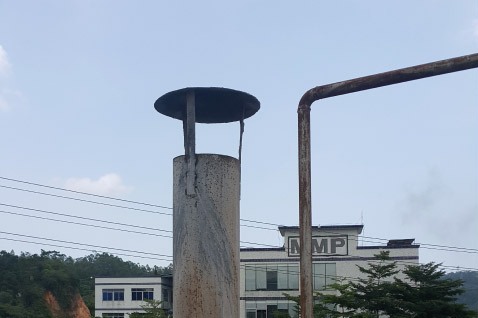
Clean
1. High volatile materials2. No flue gas during burning
3. Emission similar to NG
4. Low ash content
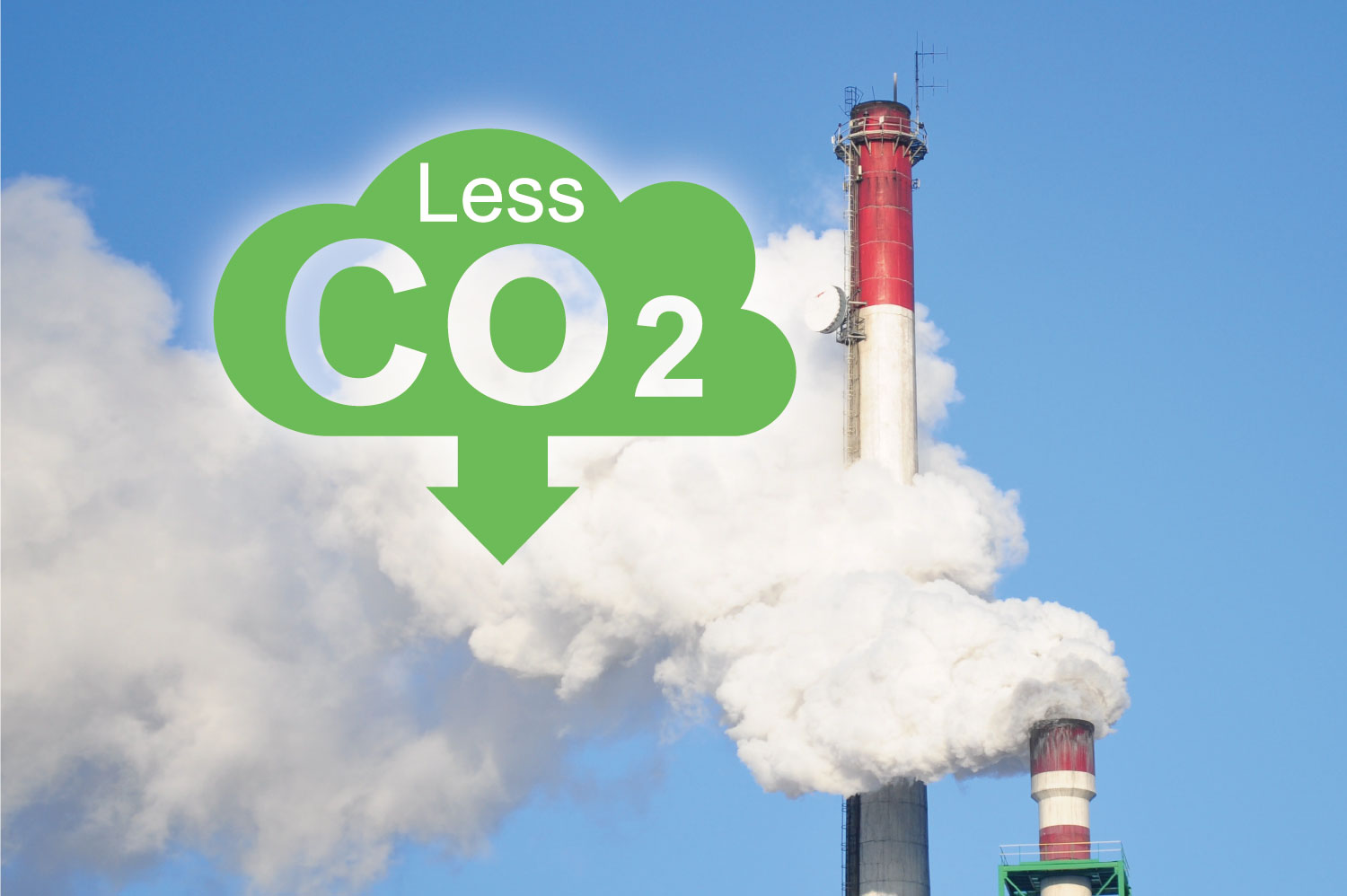
Low Emission
SSGE AGRI BioCoal is Carbon NeutralWhen used as a replacement for fossil coal. SSGE AGRI BioCoal could potentially provide the basis for issuance of carbon credits or other financial incentives
AGRI-BIOCOAL
TOMORROW's Energy is being made TODAY with Agricultural Waste...
The combustion of one ton of fossil coal introduces approximately 2.5 tons of new, or fossil carbon dioxide, into the atmosphere.
SSGE AGRI BioCoal helps make 3 important reductions:
The process used to produce AGRI BioCoal recycles only carbon already sequestered by nature in agricultural food crops. No direct or indirect harvesting of forests is needed, so in this way. AGRI BioCoal helps reduce dependency on industrialized deforestation.
This also means, no new CO2 from fossil fuels are generated. Every ton of fossil coal replaced by AGRI BioCoal reduces the increase in atmospheric CO2 by 2.5 tons. Using AGRI BioCoal helps reduce the increase in atmospheric CO2 from the use of fossil coal.
SSGE's process also devolatilizes the agricultural biomass in a way that reduces its potential to release methane and other greenhouse gasses by up to 85% in this way, AGRI BioCoal can help reduce harmful greenhouse gasses.
Prospect
It is now estimated that 8 billion people inhabit the Earth. It is also estimated that 8 billion tons of fossil coal will be consumed for energy production in 2022. Our dependency on fossil fuels is expected to remain high in the short term until many new carbon neutral technologies become operational.
While agriculture technologies are rapidly improving to respond to the global demand for food, it is estimated that 1 billion tons of agricultural waste and residues are produced every year. And, as long as food demand increases, so will the levels of residuals, or biomass. These biomass waste streams are not always disposed of responsibly. While open burning and dumping are now illegal in many regions, these practices are still commonplace in under or newly developed countries. These methods release carbon dioxide (CO2) and methane CH4) and other greenhouse gasses into the atmosphere.
Densified woody biomass is an obvious source of renewable biomass. However, even though it is considered carbon neutral as a fuel, it still is dependent on industrialized deforestation residuals, or direct deforestation. Our forests are a primary component of the Earth’s ability to sequester carbon from the atmosphere. The growth-to-harvest cycle for trees is prohibitively long, and it is not possible to displace 8 billion tons of coal with a densified woody biomass solid fuel. While woody biomass may play an important role, it is not tenable without developing other forms of biomass.
Implementation
When applied to agricultural wastes and residues, the torrefication process devolitalizes the biomass by removing the potential for harmful greenhouse gas emissions, and creates a dense carbon rich solid biocoal, AGRI BioCoal. The energy and physical characteristics of AGRI BioCoal are similar to densified wood, and a near equivalent to fossil coal, making it a drop-in replacement for either.
The environmental and social impact of using agricultural waste and residues has many important benefits. It provides a solution through positive incentives for responsible agricultural practices that do not include open burning or biodegradation of these residues. It provides a viable alternative to the use of wood as a feedstock and reducing the demand on our valuable forests. Additionally, using agricultural residues benefits local and regional agrarian communities by providing new revenue streams as well as jobs.
Strategy
A perfect solution converting abundant and perpetual agricultural residues into a clean, renewable solid fuel.
1. Reduces the dependency on fossil coal, decreasing the emission of new atmospheric CO2.
2. Reduces reliance on woody biomass and strain on the planet’s forests.
3. Encourages responsible farming and crop residual disposal, helping to reduce illegal burning and dumping.
4. Provides additional income streams, jobs and improved living standards for agrarian communities in surrounding regions.
5. AGRI BioCoal provides solutions to many of the issues facing the global effort to slow the Earth’s warming atmosphere.
Certification
At its inception, SSGE made integrity, accountability and sustainability integral parts of its strategic plan. We have a desire to serve the world by making a meaningful contribution to improving the Earth’s environment. SSGE is at the forefront of innovation, and we believe there is a pathway for the future that can meet the worlds energy needs while having a positive societal impact and not harming the planet.
SSGE’s AGRI BioCoal does just that. It is a carbon neutral, renewable agriculture based solid fuel that is a replacement for fossil coal. Not only does it reduce new CO2 emissions created by fossil fuels, it also stimulates agricultural economies and helps improve living standards in those communities.
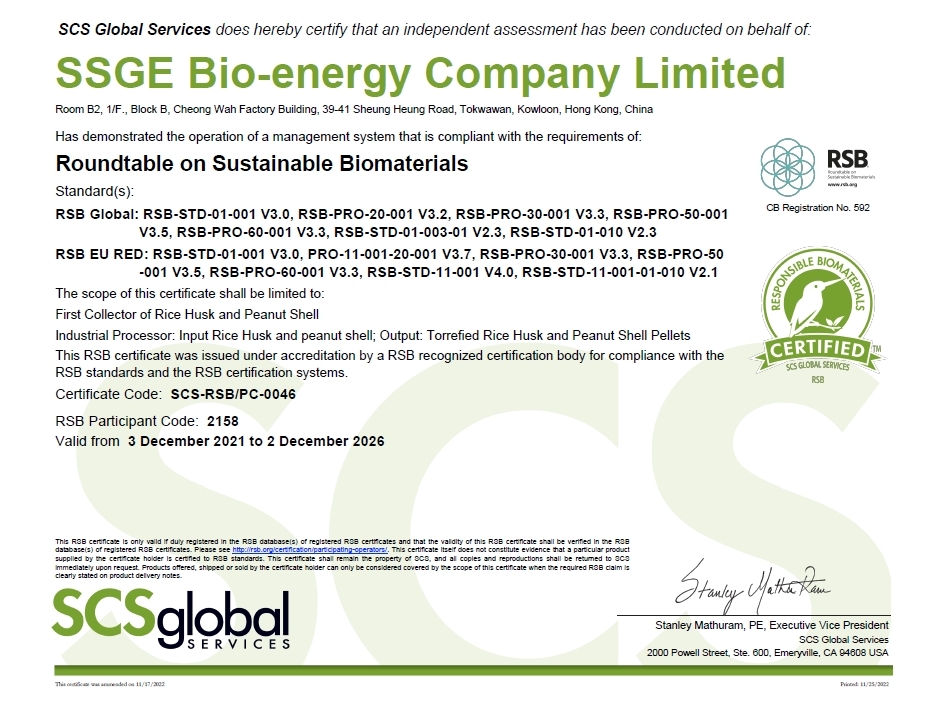
To assure we were accountable at the highest level to both the global community and ourselves, SSGE has adopted the global standards set forth by the Roundtable for Sustainable Biomaterials, RSB.
 https://rsb.org
The Roundtable on Sustainable Biomaterials (RSB) is a global membership organization that drives the just and sustainable transition to a bio-based and circular economy.
RSB’s sustainability framework has been developed by its multi-stakeholder membership, and is a uniquely robust and credible foundation for supporting innovative solutions to the climate crisis. RSB uses this foundation to develop projects, new knowledge and solutions that equip key decision-makers to deliver net positive impacts for people and the planet.
Video about RSBSSGE chose SCS Global Services as our third-party certification body for RSB certification.
 Video about SCS
SCS Global Services (SCS) has been providing global leadership in third-party quality, environmental and sustainability verification, certification, auditing, testing, and standards development for nearly four decades. Its programs span a cross-section of industries, recognizing achievements in green building, product manufacturing, food and agriculture, forestry, power generation, retail, and more. SCS is accredited to provide services under a wide range of nationally and internationally recognized certification programs. Consistent with its mission, SCS is a chartered benefit corporation, reflecting its commitment to socially and environmentally responsible business practices.
TORREFIED EMPTY FRUIT BUNCH (EFB) PELLETS
Technical Reports
NKKK-MCO569
Safety Data Sheet EFB Torrefied Pellet
Sea Transport Report
1. Introduction
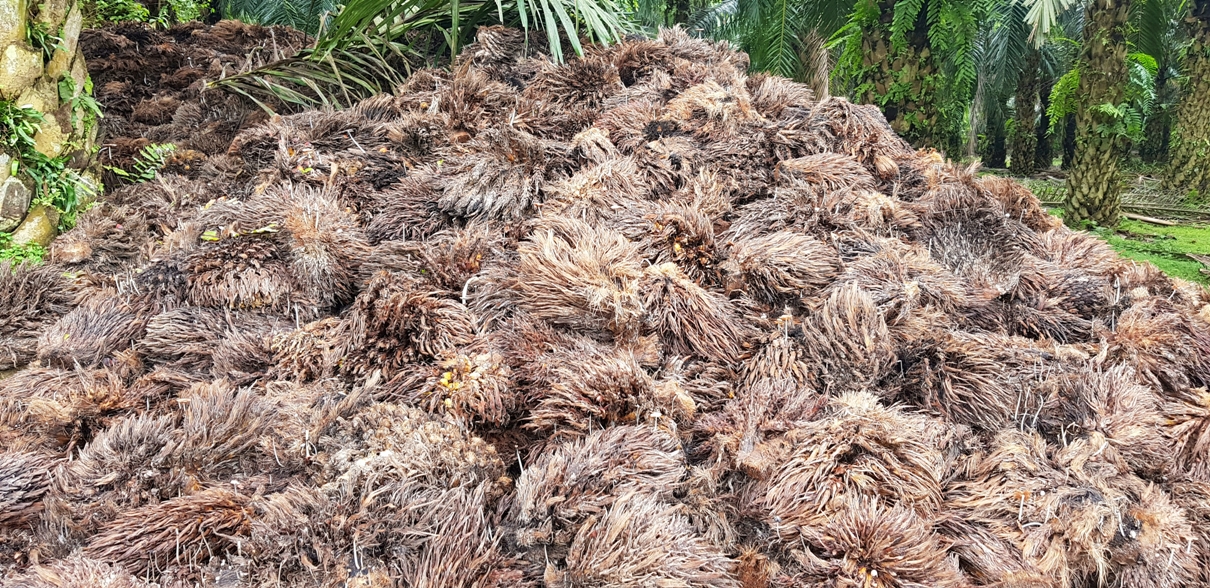
Empty fruit bunches (EFBs), a byproduct of the palm oil production process, have historically been disposed of, leading to methane emissions and soil and water pollution. In recent years, stricter environmental regulations have driven the proper treatment and effective utilization of EFBs. Applications include composting, biomass fuel, biochar production, paper manufacturing, and construction materials. Governments worldwide are promoting sustainable EFB use through subsidies, tax incentives, and regulatory frameworks. However, Malaysia and Indonesia generate approximately 60 million tons of EFB annually, and only a limited portion is effectively utilized. Large-scale, sustainable utilization is essential to address this challenge.
2. Utilization of EFBs
EFBs contain high levels of alkali metals (e.g., 20,000–30,000 ppm), which reduce thermal efficiency due to molten adhesion in combustion furnaces and slag formation, disrupting continuous operation. As a result, direct use of EFB as fuel has been limited.
Numerous companies have attempted to convert EFB into clean fuel, but commercial production has not yet been achieved. Leveraging 8–10 years of research and development and extensive commercialization experience in agricultural residue-based biomass, SSGE has successfully developed a high-grade biocoal production technology, marking a significant advancement in the field. Commercialization of the first production plant is underway in Malaysia.
3. Reduction of Environmental Problems
Producing clean fuel with low alkali content from EFB requires specific treatment methods to remove alkali metals. These processes significantly increase production costs, causing many projects to fail due to economic barriers. SSGE’s efficient EFB preprocessing technologies, combined with cost-effective, renewable electricity from biomass cogeneration, have achieved a breakthrough, enabling economically viable biocoal production.
4. Production Planning and Production
As part of its expansion plan, SSGE has established a plant in Malaysia to produce biocoal from EFB. The production technology is mature, and commercial production is expected to begin in 2025. SSGE’s production process allows the plant to operate in locations with limited grid power, and production will be scaled up quickly to meet global market demands.
5. Contribution to the Economic Growth
Through extensive utilization of EFB as the primary raw material for biocoal production, SSGE is committed to contributing to local and national economies in the following ways:
a. Creating jobs directly and indirectly in local communities.
b. Improving social infrastructure for local communities.
c. Providing additional earnings for local farmers.
d. Contributing to national foreign exchange earnings.
e. Enhancing global awareness of Malaysia as a leading biocoal hub.
6. Alternative Clean Fuel To Replace Fossil Coal
As global awareness of the environmental impact of CO2 and CH4 emissions grows, SSGE is committed to reducing both emissions to preserve a cleaner planet. In response to the Paris Agreement, SSGE aims to play a vital role in producing renewable biocoal, which can fully replace fossil coal to combat global warming. This approach enables power plants and industrial boilers to transition to renewable energy without decommissioning existing coal-fired facilities.
7. Technical Parameters of Torrefied EFB Pellets
To demonstrate that torrefied EFB pellets are cost-effective and efficient for use in power plants, key technical parameters aligned with the general requirements of power plant and industrial boiler operators are detailed in the NKKK Test Report. Refer to the attached NKKK Test Report for further details.

3/F, Oriental Daily News Building
6 Kwei Chow Street, Tokwawan, Kowloon, Hong Kong

Phone: +1 215 622 8754
Phone: +49(0)160 5356 093
Phone: +44 (0)7923 372000
Phone: +33 (0)1 43 53 10 39
Phone: +45 20476690
Phone: +61 416 639 601